Football has always been more than just a game. Football stopped wars, capturing real moments where matches or a shared passion for the sport created peace, even if only temporarily.
These events demonstrate how football can unite people across cultural and political divides. In this article, we will explore powerful stories, lessons, and examples from history and modern times.
The Power of Football Beyond the Pitch
Football’s influence goes beyond stadiums and leagues. It has the ability to connect nations, communities, and individuals under one language of sport.
This power has been witnessed in times of tension where a match or gesture brought relief and unity. The following sections highlight its cultural weight in war and peace.
A Universal Language
Football is played and understood globally, giving it an unmatched influence. In regions torn apart by political or ethnic divisions, it remains a shared passion.
Rival communities often recognize the sport as common ground. This makes football uniquely positioned as a mediator.
Identity and Resilience
During conflict, football becomes a symbol of resistance and survival. For many, supporting a team is a way of preserving identity.
It allows civilians to hold onto normalcy in chaotic times. This resilience strengthens the cultural role of the sport.
The 1914 Christmas Truce During World War I
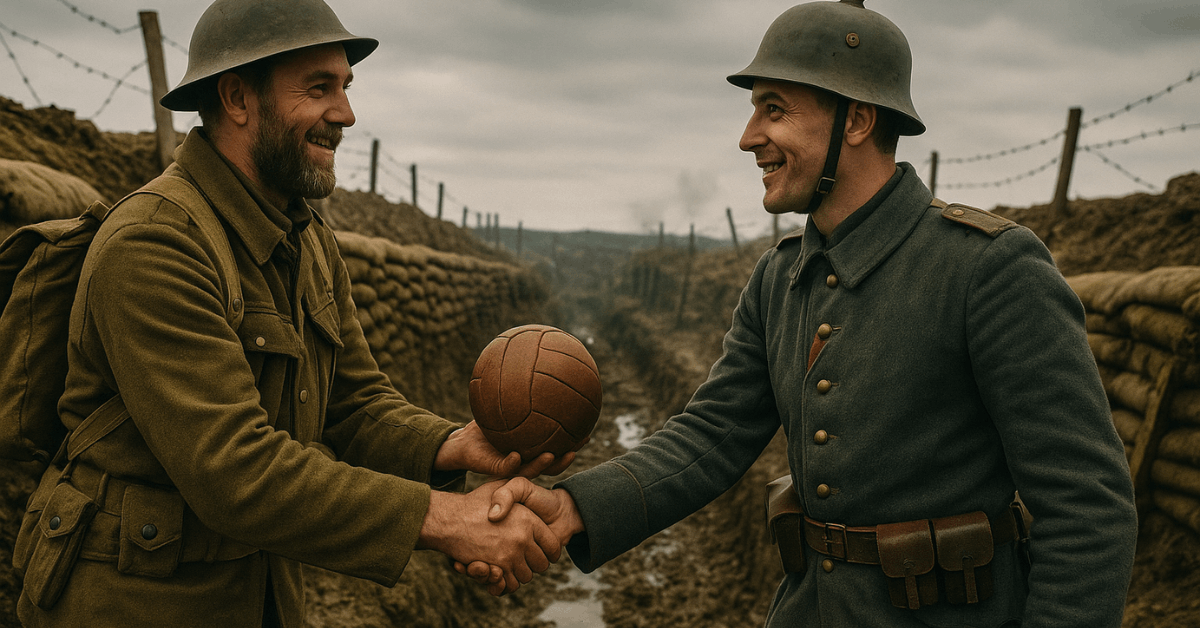
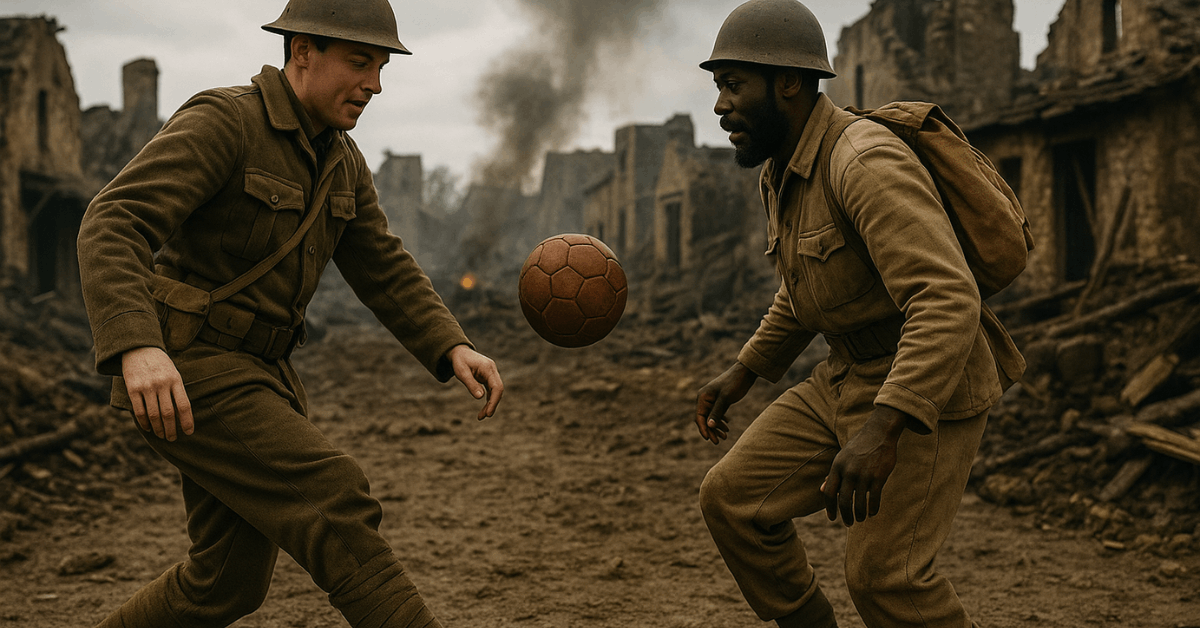
The Christmas Truce is the most famous example of football’s peace-making impact. On the Western Front, soldiers paused fighting to celebrate Christmas together.
Football games were organized in No Man’s Land, creating a moment of humanity in the middle of war. This act remains one of the strongest symbols of shared humanity.
Soldiers Playing Together
British and German soldiers met between trenches and exchanged simple gifts. They soon kicked a ball around, turning the battlefield into an improvised pitch.
Accounts describe laughter, joy, and temporary friendship. The match did not last, but its memory still inspires peace initiatives.
Symbol of Hope
This event is retold in books, documentaries, and schools. It shows how even in the darkest situations, common humanity can be found.
The story reminds us that conflict is man-made but peace is possible. Football acted as a bridge during one of the world’s deadliest wars.
Football as a Tool for Diplomacy
Football is often used by governments to soften tensions. International friendlies, tournaments, and symbolic matches have been arranged to open political dialogue.
These events highlight how the sport can be transformed into an unofficial diplomatic channel. It can ease relations where traditional negotiations fail.
- Symbolic Matches: Governments arrange games to create goodwill during conflicts.
- Friendlies Between Rivals: Nations use matches as neutral ground for dialogue.
- Political Messages: Leaders highlight peace and cooperation through football.
- Lasting Legacy: These matches often remain as historical turning points.
Local Conflicts and Football Ceasefires
In civil wars and regional disputes, football has created ceasefires. Players and leaders have used the sport to unite divided sides and promote peace.
These cases prove football’s impact is not limited to world wars but also applies to modern conflicts. The following stories illustrate this effect clearly.
Didier Drogba in Ivory Coast
Didier Drogba, one of Africa’s football icons, played a crucial role in his country’s civil war. After qualifying for the 2006 World Cup, he pleaded with leaders to end hostilities.
His call for peace led to a ceasefire and games being played in rebel-controlled areas. This example shows football’s influence through individuals.
Latin America and Local Peace
In parts of Latin America, rival groups have paused conflicts to organize football tournaments. These local matches offered safe environments for communities.
Football provided both a distraction and an opportunity for dialogue. Such efforts proved essential for rebuilding trust.
Football in Divided Nations
Nations marked by division have also relied on football to unite people. Grassroots movements and symbolic matches often played a role in bridging communities.
Football allowed divided groups to share a safe and neutral passion. This section highlights two notable cases.
Northern Ireland and The Troubles
During The Troubles, football matches became neutral zones. They allowed fans from both Catholic and Protestant backgrounds to cheer together.
Rivalries did not disappear, but football reduced tension temporarily. This created moments of rare peace in a divided society.
The Balkans and Ethnic Rivalries
Football in the Balkans reflected ethnic divisions but also opportunities for dialogue. Matches often carried heavy symbolism, but initiatives used the sport for reconciliation.
Local youth programs built trust among communities. These grassroots efforts shaped new generations with shared values.
The Psychological and Social Impact
Football has powerful psychological effects in war zones. It provides hope, distraction, and therapy for those living in conflict.
Its social role extends to rebuilding communities after violence. Here we examine its mental and emotional impact.
- Distraction from Violence: Football helps civilians escape fear and stress.
- Sense of Normalcy: Matches remind people of everyday life beyond war.
- Therapy for Soldiers: Football provides recreation and healing for fighters.
- Inspiration for Youth: Children see football as a symbol of future peace.
Modern Examples of Football Promoting Peace
In recent years, football continues to be a bridge. Organizations, NGOs, and even FIFA use it to promote peace in conflict zones.
These modern cases prove the sport’s timeless role in global unity. The results are visible in both large tournaments and small initiatives.
FIFA and Football for Peace
FIFA sponsors programs aimed at peacebuilding. These initiatives promote dialogue through shared matches.
They work in refugee camps and post-conflict regions. Football becomes a structured tool for unity.
NGOs and Local Efforts
Smaller organizations also organize peace tournaments. They connect hostile groups through grassroots football.
By promoting community building, they reduce mistrust. These programs create long-term social benefits.
The Legacy of These Stories
The stories of football stopping wars carry strong lessons. They remain iconic because they demonstrate that peace is possible even in the midst of conflict.
Football continues to inspire future generations with these examples. Its symbolic power cannot be overlooked.
- Iconic Stories: 1914 Truce, Drogba’s peace efforts, and divided nations.
- Media Role: Books and documentaries preserve these moments.
- Generational Impact: Inspires young fans about peace through sport.
- Ongoing Symbolism: Football continues as a global symbol of unity.
Final Reflections: Football as a Path to Unity
Throughout history, football has proven its power to unite and heal. The phrase football stopped wars is not just symbolic but tied to real events where the game ended violence, if only briefly.
These stories show how sport can transform into a tool of diplomacy and reconciliation. Football remains one of humanity’s most effective bridges for peace.