Stickers That Became Famous aren’t always born from clever design; sometimes a blunder turns them into legends.
Error notes, mistranslated warnings, and misapplied labels have traveled across news sites, auctions, and social feeds, creating durable folklore.
For readers who collect, create, or print stickers, the seven cases below show how visibility, provenance, and documentation convert flaws into cultural moments.
The 7 Stickers That Became Famous by Mistake
Short, vivid stories beat abstract theory here. Each example ties a specific sticker or adhesive label to a public reaction, auction heat, viral sharing, or media coverage, plus one practical takeaway.
1. The $20 “Del Monte” Banana Sticker Note
A Del Monte produce sticker landed on a 1996 U.S. $20 bill between print passes; later overprinting trapped the sticker, creating an unmistakable obstruction error.
Paper Money Guaranty (PMG) certified the note, and Heritage Auctions hammered it at $396,000 on January 22, 2021, setting a record for an error banknote; earlier ownership traces include a 2003 eBay sale near $10,000 and a 2006 Heritage sale at $25,300.
Clear obstruction, mainstream press, third-party grading, and a deep error-note market explain the surge, useful cues when judging sticker error value in adjacent collectibles.
2. “Keep Out of Children” Knife Warning
A Korean knife shipped with an adhesive warning sticker reading “Keep out of children,” a direct-translation miss that went internet-famous precisely because the medium was a sticker meant for safety.
The case regularly resurfaces in label-fail roundups, a reminder that a translation sticker fail can undermine trust and amuse millions in a day.
3. “Do Not Put Any Person in This Washer”
Commercial washers often carry vinyl warning stickers; one notorious version reads, “Do not put any person in this washer.”
The phrase won national “wacky warning” attention and remains a staple of galleries cataloging label gaffes. Fame here came from absurd literalism placed on a real safety sticker, then amplified by magazines and forums.
4. “Do Not Hold the Wrong End of a Chainsaw”
Safety decal language can drift from clear to comic. A widely circulated chainsaw warning sticker, “Do not hold the wrong end”, became meme fuel because the pictogram and copy felt painfully obvious.
The lesson for teams is simple: over-caution on a sticker can become a famous sticker mistake when phrased awkwardly.
5. KFC’s “Finger-Lickin’ Good,” Lost in Translation
Global slogans hit packaging, point-of-sale stickers, and localized labels; KFC’s “Finger-Lickin’ Good” famously morphed in China into “Eat your fingers off.”
Even when the medium varies, adhesive labeling carries the error into stores and photos, where it spreads rapidly. Localization reviews and do-not-translate term lists prevent repeats.
6. “May Contain Foam” and Other Copy Proofing Misses
A foaming face-wash sticker reportedly warned “May contain foam,” while a power-tool sticker declared “Not for use as a dental drill.”
Each line traveled widely because everyday products wore the mistakes as literal sticky notes. These misprint sticker collectible moments arise from rushed approvals and missing hard stops in prepress.
7. “Do Not Turn Upside-Down” Placed on the Underside
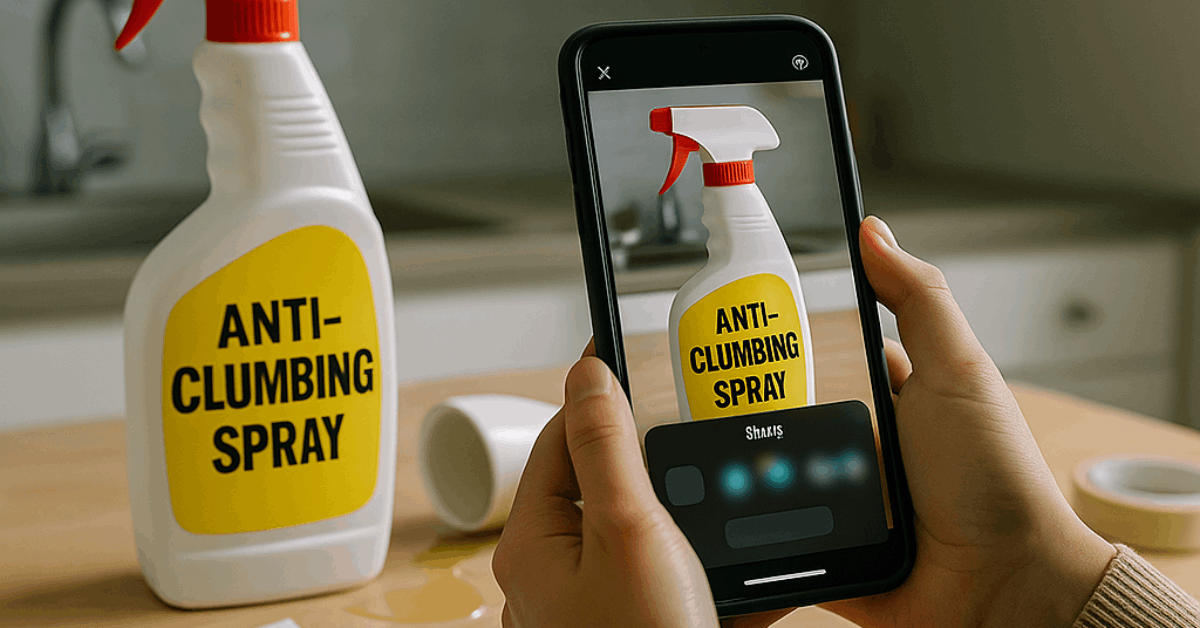
Placement errors can turn ordinary packaging stickers into shareable jokes. A dessert pot warning, “Do not turn upside-down”, was printed on the base, ensuring that anyone who read it had already flipped the item.
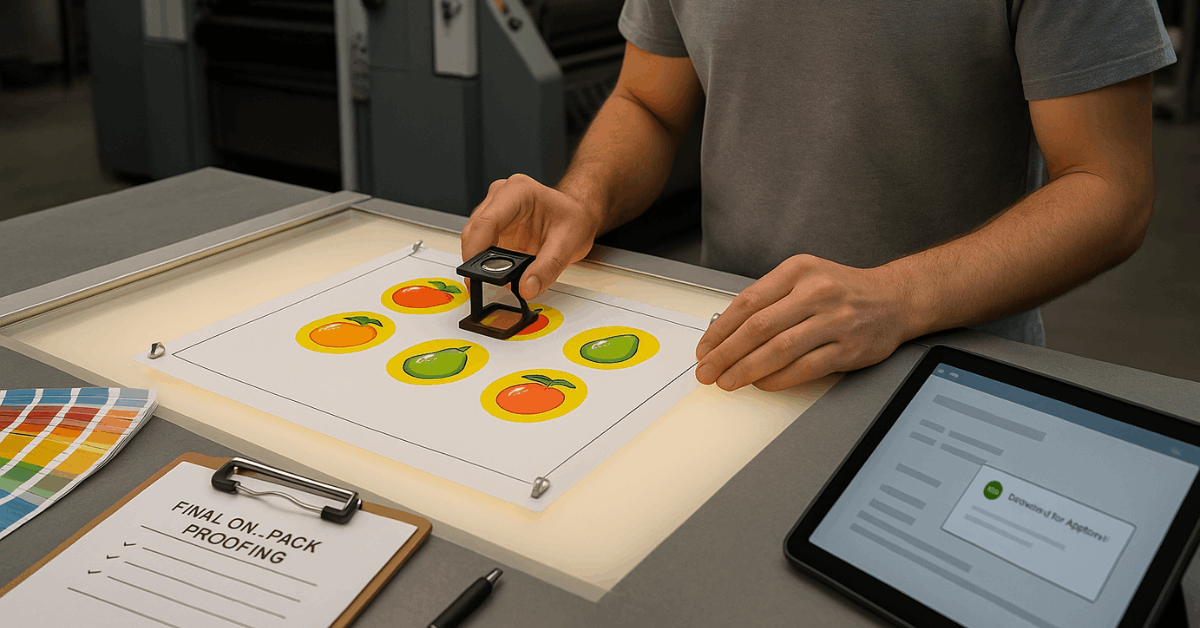
Misapplied stickers on the wrong surface are simple to prevent with final on-pack checks.
What Turns a Mistake Into Fame (and What to Fix)
A short taxonomy helps evaluate why certain label errors travel and how to avoid them.
- Typos and Malapropisms: Misspellings or wrong words (“May contain foam”) invite screenshots; lock final copy layers and restrict edits.
- Layout or Placement Faults: Warnings hidden under lids or bases become punchlines; add on-pack “readability at rest” checks.
- Wrong Adhesive or Stock: Peeling or smearing undermines credibility; follow vendor stock specs and environmental tests.
- Bad Iconography: Confusing pictograms plus literal wording feel comic; adopt ISO-referenced symbols and test comprehension.
- Misapplied Stickers: Labels placed on the wrong product or surface invite ridicule; enforce scan-to-spec and final QA sign-offs.
Localization Pitfalls on Stickers
Translation errors become famous when short copy loses context. Idioms, brand names, and safety language are most fragile on adhesive labels because space is tight and photos travel fast.
Idiomatic slogans like KFC’s can read as threats, while safety stickers translated literally can invert meaning or tone.
Lytho and Printsome urge transcreation briefs, native-speaker review, and term bases embedded in the art file, not just the translation memory. One line worth adopting across teams: route every sticker line through in-market QA before print.
Novelty Without Error: Viral “I Voted” Stickers
Fame sometimes arrives without a mistake. Ulster County, New York, ran student “I Voted” sticker contests; the 2022 winner, a bug-eyed neon creature by 14-year-old Hudson Rowan, exploded online and was later distributed to voters.
Coverage and Q&A pieces mapped how officials leaned into demand, printed more, and used the moment for civics outreach; the county repeated the contest in 2025, drawing a record 376 submissions and national attention again.
Treat this as a control case: viral sticker design can be managed through clear rules, extra production, and proactive messaging.
How Markets Price Error Stickers and Labels
Collectors price mistakes using a simple lens borrowed from trading-card errors: severity of error, time before correction, print volume, and provenance.
Severe, undeniable mistakes (like an overprinted banana sticker) with strong provenance and third-party certification sit at the top; common print flaws without correction windows rarely carry premiums.
Guides from hobby graders and card media echo the same point: corrected errors and authenticated oddities outperform random factory defects. For branding or limited drops, document runs, keep samples, and archive approvals to support future verification of an error sticker auction.
A Small Trend: “Misprint” Sticker Packs
Independent creators now sell “misprint” or “B-grade” sticker bundles at discounts; listings explain minor flaws like off-center cuts or light scuffs but frame them as usable and sustainable.
Transparent description plus lower pricing reduces waste and builds goodwill; buyers enjoy the surprise while makers recover costs. When stakes are low, leaning into misprint sticker packs can turn small mistakes into inventory rather than landfill.
Conclusion
Treat famous sticker mistake moments as diagnostics.
For production teams, hard stops in preflight, in-market language checks, and locked copy layers prevent avoidable fame.
For creators and marketers, unmistakable authenticity and clear provenance can turn an unplanned anomaly into a story worth telling, sometimes even worth collecting.